Introduction
Exercising during pregnancy is one of the best things a woman can do for her health and her baby’s health. Fitness while pregnant can help a woman feel better, feel more energetic, alleviate discomfort during their pregnancy, and having a fit pregnancy can even set the stage for better labor and delivery. Unfortunately, each trimester has a unique nature to the body’s changes, making it necessary to change your fitness habits. This guide will provide you with safe workouts from trimester to trimester during your journey in staying active, healthy, and safe.
Why is fitness important during pregnancy?
The benefits of exercising while pregnant are vast. Women’s Health | ACOG reports that physical activity while pregnant can:
- Glean a fineness that reduces backaches, constipation, bloating and swelling
- Improve your mood and posture
- Promote muscle tone, strength and endurance
- Soothe your sleep
- Reduce the chances of gestational diabetes and preeclampsia
- Achieve healthy weight gain
Of course, you should always check with your healthcare providers before starting or continuing any exercise program throughout your pregnancy. When you get the go-ahead, the following fitness tips, broken down by trimester should help with your fitness.
First Trimester (Weeks 1-12): Laying Groundwork
What is Happening in Your Body:
In the first trimester, most women experience fatigue, morning sickness, and hormone fluctuations, so although you may not feel up to getting a workout in, continuing to get active may help alleviate some of these symptoms.
Safe Workouts:
- Walking
A proven, low-impact cardiovascular exercise that can be done (or even combined with another activity) almost anywhere. In regard to how long you should be walking, the Centers for Disease Control and Prevention (CDC), has set the quota of 20-30 minutes a day - Swimming or Water Aerobics
Provides a total-body workout without shocking the body or joints. Of course, the buoyancy of water also minimizes nausea and fatigue. - Prenatal Yoga
Improves flexibility, reduces stress, and prepares the body for the coming changes. Look for classes specifically for pregnant women. - Pelvic Floor Exercises (Kegel)
Strengthening the pelvic floor to reduce the risk of incontinence and support a growing uterus.
Tips:
Stay hydrated and listen to your body.
Avoid overheating—especially during the first trimester
Avoid high-impact sports and contact sports.
Nutrition Note:
Having a balanced diet along with the exercise helps support fetal development while stabilizing your energy levels throughout the day. The Pregnancy exercises – Mayo Clinic suggest the following as important nutrients in your pregnancy; folic acid, calcium, iron, and protein.
Second Trimester (Weeks 13–26): Building Strength
What is happening in your body:
This trimester is argued to be the best. Morning sickness usually disappears, energy levels are increasing, and the risk for miscarriage is lower.
Safe Workouts:
- low-impact Strength Training
Using lighter weights and resistance bands, maintains muscle tone and strength. For example, upper and lower body circuit training, avoiding exercises that require lying flat on your back. - Stationary Cycling
Provides a good cardiovascular workout with minimal added risk of falling and gives your legs an awesome workout anyhow. - Modified Pilates
Is great to help you build core strength, and better balance along with postural support. If you search around, you’ll even find that many studios offer classes specifically for prenatal workouts. - Stretching and Mobility work
It’s great for improving flexibility and reducing tightness in the muscles and joints while your belly gets bigger.
Avoid: Exercises where you are lying down for long periods of time (this can restrict blood flow to the baby).
Any activity that may result in potential falls, such as horseback riding, skiing.
Posture & Core Focus:
As your baby grows, your center of gravity changes. Focusing on posture and strengthening your core can help minimize back pain and provide more optimal alignment.
Useful Resource:
Check out Work out while pregnant: Pregnancy-safe exercises | BabyCenter for example workouts for your second trimester with a new postpartum perspective. They even have a great workout section to help with ideas and provide expert help.
Third Trimester (27-40): Getting Ready for Labor
What’s Happening to Your Body:
You are in the final stretch and your body is preparing for birth. The final focus is mostly about maintaining flexibility, reducing discomforts, and preparing yourself for labor, both physically and mentally.
Safe Workouts:
- Prenatal yoga & meditation – Focus on enjoying the inhale and the exhale, practicing some basic mindfulness and gentle movement, which could all also be beneficial during labor.
- Light walking – aim for daily walks. A walk will help minimize swelling, keep your legs circulating, and help with sleep.
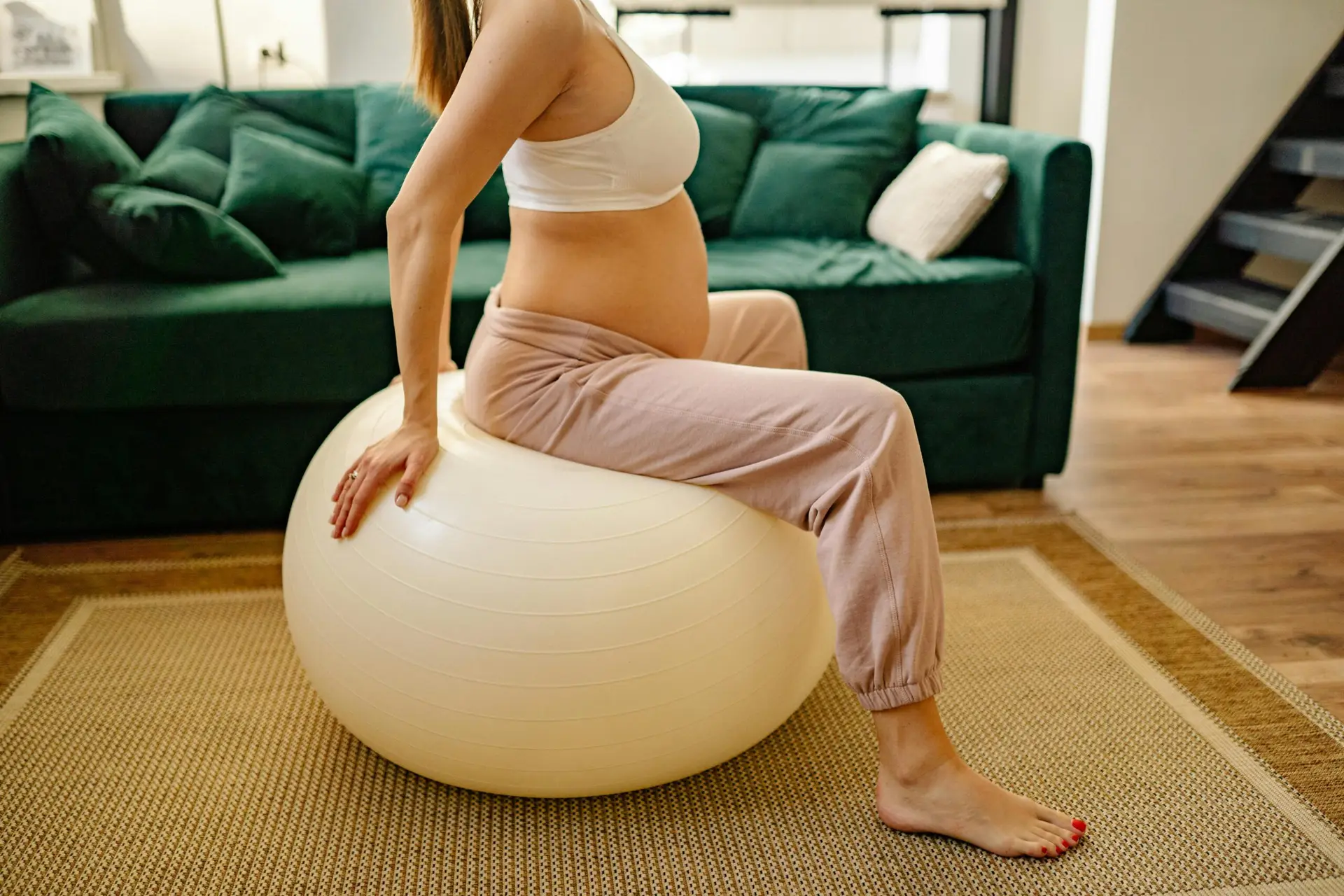
- Birth Ball Exercises – Doing gentle movements on a birthing ball may relieve back pain, help open the hips for better birth preparation while supporting pelvic alignment.
- Modified squats and lunges – these movements will help strengthen pelvic muscles and your legs for the physical demands of childbirth.
Labor Preparation:
Use breathing rhythms, pelvic tilts, and hip opening stretches to help aid you in labor and delivery. Remember to always work in your level of comfort and avoid overworking yourself.
Caution:
No sudden movements or high-volume, high-intensity training. Keep close to support or stability items, especially as you shift your balance.
Stop right away if you experience dizziness, shortness of breath, or contractions.
Extra Tip:
Pregnancy Safe Workouts and Lifting has compiled a comprehensive range of exercise ideas safe for each trimester with picture examples and cautions to consider.
General Safety Tips for Fitness in Pregnancy
Always warm up and cool down
Gently stretching before and after your workout will help avoid straining any muscles.
Stay hydrated
Drink lots of water before, during, and after your workouts.
Wear supportive gear
Find a good pair of maternity-friendly workout shoes and an adequately supporting sports bra.
Listen to your body
Do not push through fatigue or pain. Your energy levels will vary from day to day.
Pay attention to the number of fetal movements
If you notice your baby being less active than usual after a workout, consult your doctor.
What to Avoid at Any Time When Pregnancy
High-impact sports or activities that can cause a fall or trauma (i.e., soccer, basketball or skiing).
Hot yoga or any other activities in a hot atmosphere.
Any exercises that include deep back-bends or crunch-style ab moves.
Any breath hold during effort (this is called the Valsalva maneuver).
When to Stop Exercising and phone the doctor
If you experience any of these symptoms you need to stop exercising and seek a medical opinion.
Vaginal bleeding or fluid leaking.
Dizziness or shortness of breath before starting exercise.
Chest pain or feeling a racing or irregular heartbeat.
Severe calf pain or swelling.
Signs of preterm labor contractions.
Decrease in fetal movement.
Your OB-GYN or midwife is the best resource to help guide you regarding fitness in pregnancy. They can provide recommendations to you that take into consideration your medical history, physical condition, and overall level of fitness.
Final Thought: Be Active and Be Safe
Pregnancy is a life-altering experience. When you stay active throughout the pregnancy trimesters, you can take ownership of your physical and emotional responses to the physical changes. You can prepare yourself better as a mother and deal with the challenges ahead. Knowing your body and accommodating to your body’s needs can pave the way to a healthier pregnancy and more confident recovery after childbirth.
Remember: Consistency over intensity is always the goal. Gentle movement, regular stretching, and mindful practices (like yoga and breathing) will nurture your body and support your baby’s development. Realistically, if you practice good self-care and make sensible decisions about your workouts, you can have rewarding and gracious experiences regarding fitness in pregnancy.
Bonus Tip: After giving birth, ease back into exercise as your body will need time to recover. Talk to your healthcare provider to guide you on when you can start exercising postpartum, and how that will look!