Introduction
Understanding Mental Health:
Exercise, Movement and Mindfulness Goes Hand in Hand
In our fast-moving world, mental wellness is now just as important as physical fitness. With levels of stress, anxiety and depression reaching unprecedented levels, many of us are looking for natural ways to safeguard or improve our mental health. Exercises or activities that especially target the mind are reliable and healthy solutions. But not all exercises are created equal.
In this guide, you’ll find the best science-backed exercises to benefit your mental health (and mental well-being), all while taking into consideration your level of fitness.
Why Exercise is Important for Mental Health
Physical activity is exercise is about more than getting toned muscles; it can have a profound effect on the brain. This is how it works:
- Releases feel-good-by-what-you’re-effective exercise.
- It reduces the amount of cortisol in our bodies, which lowers stress and anxiety.
- It improves sleep, which helps to regulate mood.
- It is a boost for self-efficacy (a boost in self-esteem) and cognitive function.
- It helps strategies for depression, according to Harvard Health.
1.Walking: The Effective Exercise We Overlook
How It Works
Walking (walk-in-nature, is often referred to as “green walking”) is proven to significantly reduce depression and anxiety symptoms.
Mental Health Benefits:
- Clears your mind.
- Reduce the fog of the mind.
- Improves blood flow to the brain.
- In just 10 minutes of walking, you feel improved mood.
Tip: For about 30 minutes each day, walk briskly nearby, in a park or another nature setting.
You can even be mindful, by noticing your breath or sounds around you.
For more walking for more help for your mental health, you may find: “30 minute walks to sweat breath for a great mind”.
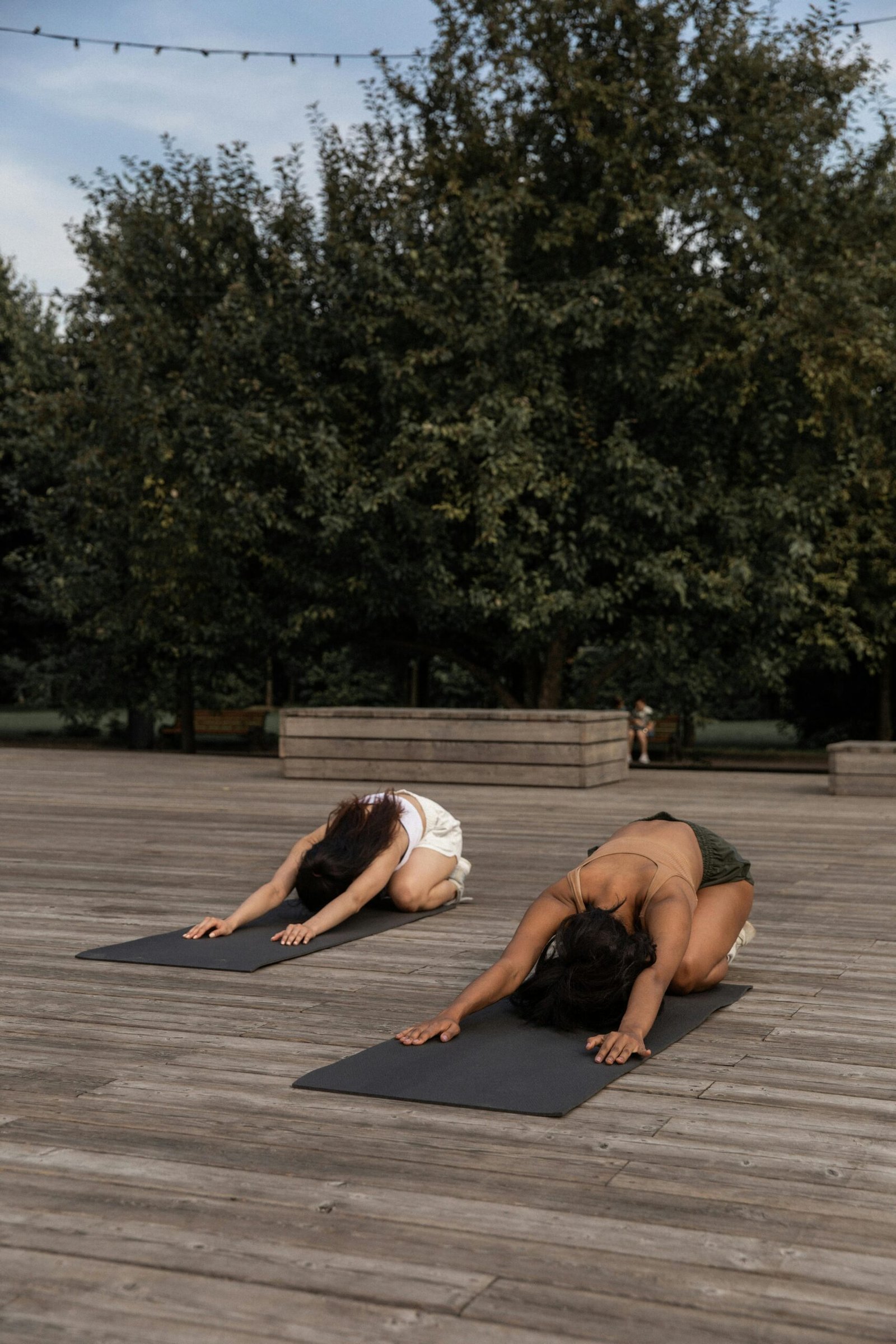
2.Yoga: Mind-Body Relaxation
Why It Works
Yoga incorporates physical practice, controlled breathing, and meditation which makes it an effective trio for reducing anxiety and improving mindfulness.
Key Poses for Mental Health
Child’s Pose (Balasana) – grounding and restorative
Legs Up the Wall (Viparita Karani) – calms the nervous system
Bridge Pose (Setu Bandhasana) – increases mood
Yoga Styles to Try Hatha yoga – beginner level
Yin yoga – slower-paced and meditative
Vinyasa Flow – great to relieve stress and improve focus
3.Running and Jogging: Nature’s Antidepressant
Why It Works
Running increases endorphins in your body—the famous “runner’s high” that helps with depression and anxiety.
Mental Health Benefits
Provides a sense of accomplishment
Improves sleep and brain function
Promotes neurogenesis (the creation of new brain cells)
How to Start
Start with 10-15 minutes of jogging slowly
Follow an app like Couch to 5K to guide you.
Learn more about The Truth Behind ‘Runner’s High’ and Other Mental Benefits of Running | Johns Hopkins Medicine
4.Strength Training: Empowering the Mind
Why It Works
Weightlifting builds your body and builds your brain too! Research has shown a reduction in depressive symptoms after 8 weeks of strength training.
Mental Health Benefits
Improved self-worth and body image
Release hormones that improve your mood
Learning discipline and achieving your goals
Beginner Exercise Routines
3 x week for 20-30 mins
Focus on compound exercises (squats/push-ups/supported dumbbell rows)
Explore more on strength training and mental health
5.Tai Chi and Qigong: Gentle and Restorative
Why It Works
These are ancient Chinese practices that involve slow, deliberate movement with breathing and meditation, making them very effective in stress management.
Mental Health Benefits
Decreases anxiety, particularly in older adults
Improves mood and a sense of inner calm
Reduces blood pressure and promotes a state of calm
How to Start
Use the free YouTube channel called Tai Chi Health
6.Dancing: Fun in Movement
Why It Works
When you dance, your body, brain and emotions are all active at the same time. Dancing is a natural way to have fun and a way to live an enjoyable life, which can promote emotional well-being.
Psychological Benefits
Improves mood through serotonin increase
Encourages a sense of confidence and reduces social anxiety
Promotes emotional expression
Best Types of Dance
Zumba
Hip-hop
Ballroom or freestyle
Learn more of Dance for mental health resources
7.Swimming: Meditative Movement and Workout
Why It Works
Swimming is a movement that is rhythmic which creates a soothing low impact workout that can energize you. Swimming can mimic meditative breathing and full body movement.
Mental Health Benefits
Reduces anxiety and stress
Enhance cognitive functioning
Helpful in managing PTSD symptoms
Swimming and mental health – Swim England
8.Team Sports and Group Fitness
Why It Works
Social connection is an important part of mental health and group fitness provides a sense of community, commitment, and a common purpose.
Benefits for Mental Health
Reduces feelings of loneliness
Increases motivation and consistency
Gives a sense of community
Ideas to try
Soccer, basketball, or volleyball
Group cycling or HIIT classes
Martial arts like Brazilian Jiu Jitsu, Karate
Choosing the Right Exercise for Your Mental Health
When you choose the right mental health boosting workout consider:
Factor Recommendation
Stress Walking, yoga, or Tai Chi
Mood Disorders Running, dancing, or swimming
Sleep Issues Strength training or aerobic exercise
Anxiety Mindful activities such as hiking or Qigong
Low Motivation Group classes or buddy system
Tools and Apps to Support Your Journey
These digital tools will help keep you consistent
Headspace – Guided movement & mindfulness
MyFitnessPal – Track workouts & nutrition
Nike Training Club – Free guided exercise plans
Strava – For running, walking or cycling
FitOn – Free workouts focused on mental health.
Call to Action
Now is the time to take charge of your mental health.
Exercise is free, simple, and powerful for improving mood, decreasing anxiety and fighting depression. Start with 20 minutes a day, find what moves your body and calms your mind.
Now take action and get started! Take a walk, stretch, or dance and enjoy the process.
Find free resources or a class in your community or online.
Take the first step to being mentally fit today. Your mind will be proud of you.
FAQs
- What is the best time of day to exercise for mental health?
Morning exercise can provide focus and energy. Evening can help decrease stress and help with sleep. The best time is when you can be consistent in your schedule. - How many times per week should I exercise for mental health?
30 minutes for at least 3-5 days per week. Breaking it down into smaller sessions during the day can be just as beneficial. - Can exercise take the place of seeing a therapist or medication?
Exercise can be a tool but it should never replace meeting with a professional and/or medication. Always consult with your qualified healthcare provider regarding your concerns. - What are the exercises for people with limited mobility?
Yes! Chair yoga, aquatic therapy and resistance band workouts are perfect! - What are some quick exercises that I can do during a busy workday?
Try taking a 5-minute walk, stretching at your desk, or deep breathing squats. As always, being consistent trumps duration!



This website, you can discover a wide selection of online slots from leading developers.
Players can experience retro-style games as well as new-generation slots with high-quality visuals and exciting features.
Even if you’re new or a casino enthusiast, there’s a game that fits your style.
no depisit bonus
All slot machines are ready to play anytime and compatible with laptops and mobile devices alike.
You don’t need to install anything, so you can start playing instantly.
Platform layout is easy to use, making it quick to browse the collection.
Sign up today, and discover the excitement of spinning reels!